
3D Modeling and Topology Masterclass
Learn clean topology and edge flow so you can stop guessing and build models that hold up when you subdivide.
This course focuses on modeling fundamentals used across games, film, and product art.
Get the MasterclassLearn workflows, not clicks
Most modeling tutorials show you which buttons to press.
That works until the model changes.
This course focuses on how to make modeling decisions, so you understand:
- Why an edge is placed
- When geometry is needed
- How the model holds up when you subdivide
You won't be memorizing steps.
You'll understand the process well enough to use it on any model, including your own.
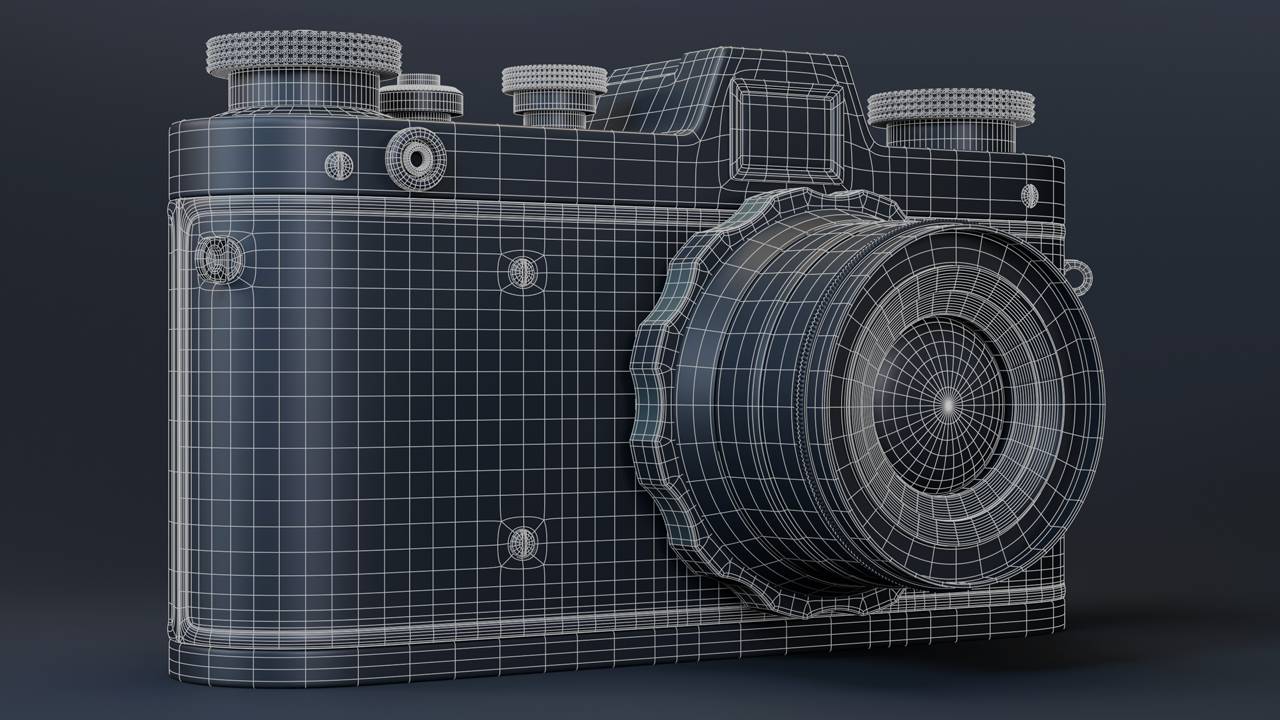
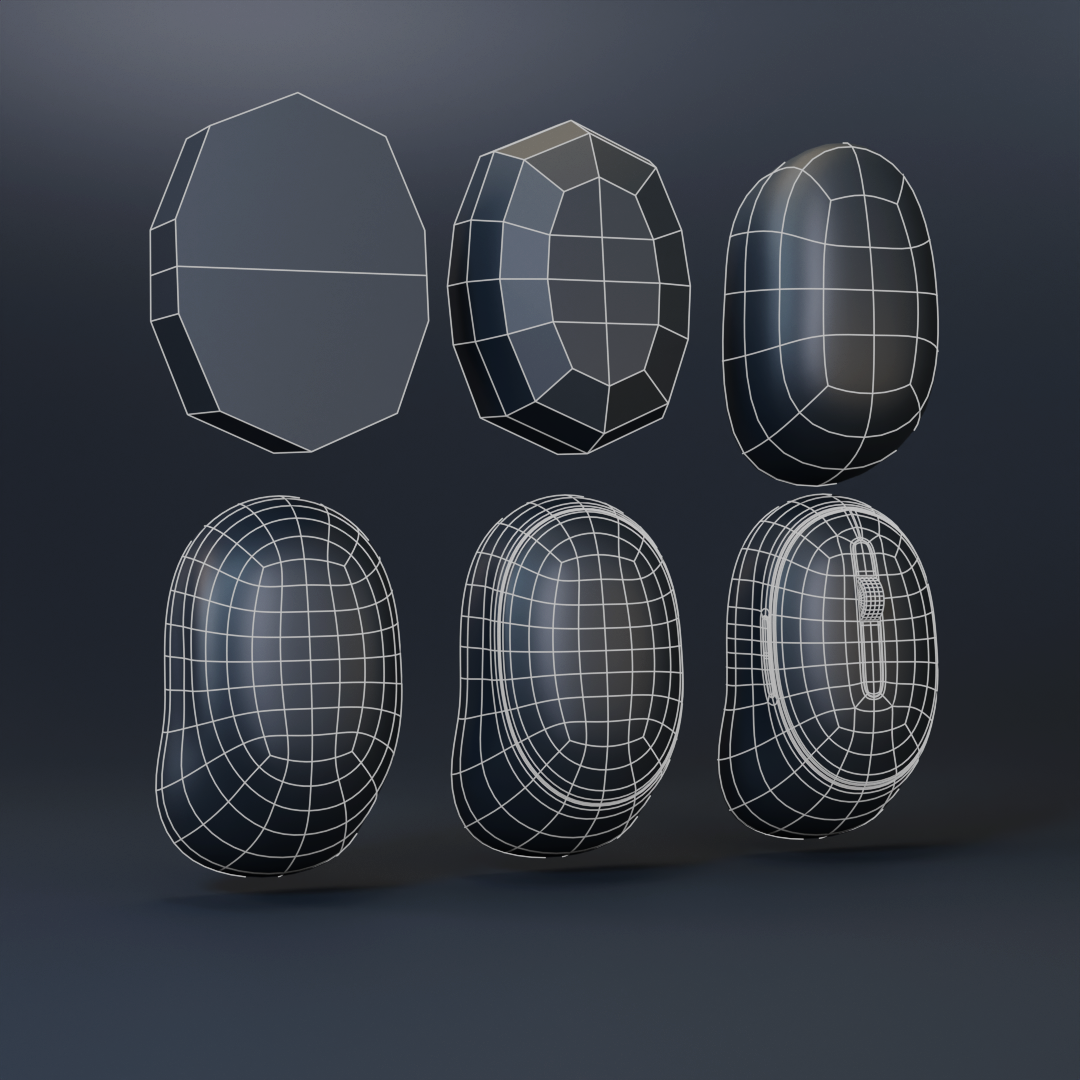
What you'll actually learn
This course is about making good decisions. You won't be memorizing rules.
You'll learn:
- How to place edges on purpose instead of guessing
- How edge flow affects the final result once you subdivide
- How to avoid pinching, shading issues and messy topology
- When to add geometry and when to leave it out
- How to judge your own models
Once these click, everything else gets easier.

10+ Hours of Content
Over 20 videos on basic to advanced concepts in 3D modeling

Community
A place to share work, ask questions and help each other out

Production Workflows
The same 3D modeling workflows used in the industry
Who this course is for
This course is for you if:
- You struggle with topology and edge flow
- Your models pinch, warp, or fall apart when subdivided
- You rely on trial and error instead of clear decisions
- You want strong modeling fundamentals before moving into game art workflows
This course is not focused on:
- Low-poly or triangle optimization
- Engine-specific workflows
- Baking, texturing, or Unreal Engine
- Real-time presentation or performance budgets
Those topics are covered in the Game Art Program.
How the course is organized
Each module builds on the last. You start with the fundamentals and work up to harder modeling problems.
Module 1: Introduction and how to approach modeling
- How to think about modeling decisions from day one
- How to approach topology intentionally instead of reactively
- What clean topology actually means in practice
Module 2: Modeling and topology fundamentals
- Clean topology and edge flow
- Sub-D modeling fundamentals
- Common mistakes and how to fix them
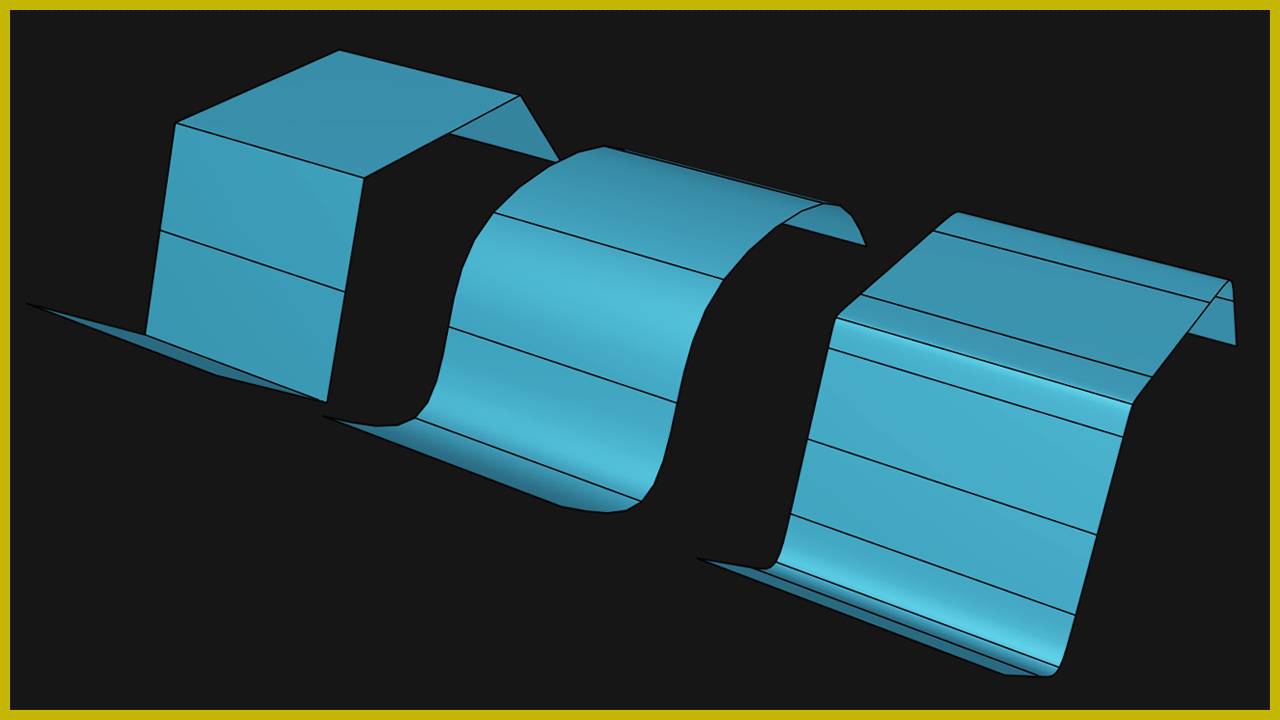
Modeling exercise:
Sub-D modeling a pen to assess and strengthen your fundamentals.
Module 3: Advanced Sub-D modeling techniques
- Sharper edges and controlled curvature
- Cleaner topology for more complex shapes
- Non-destructive workflows
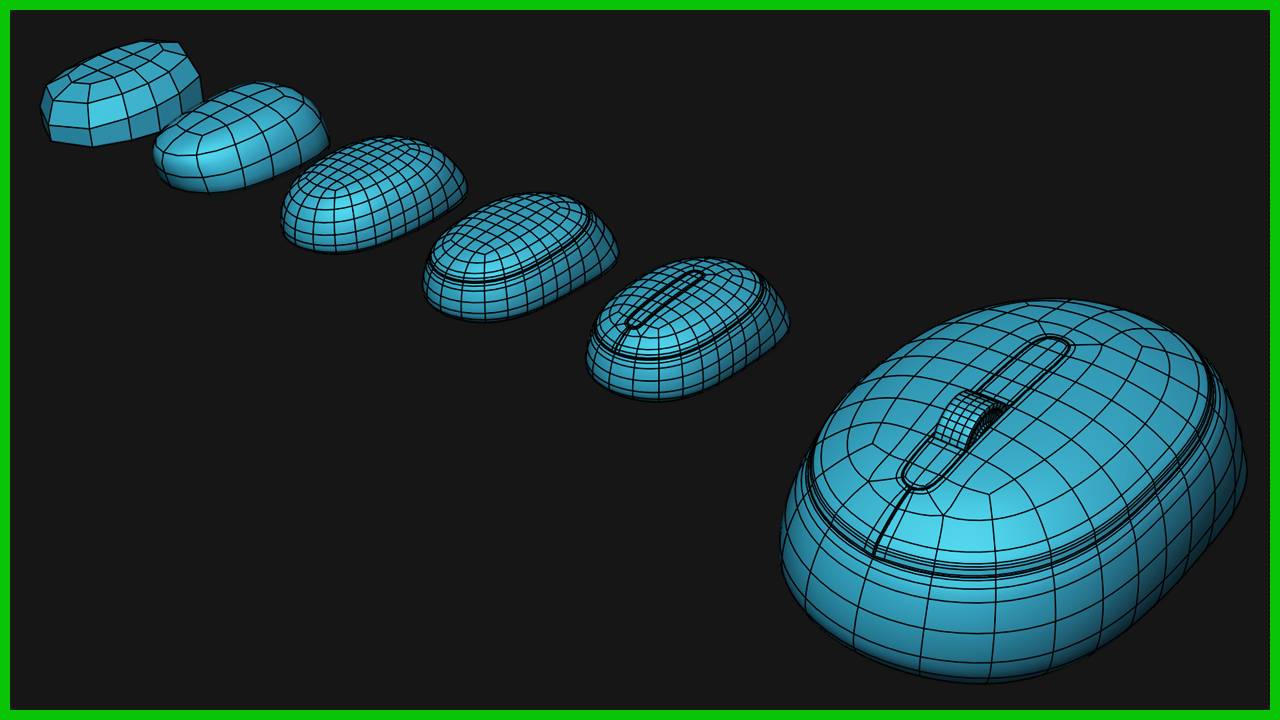
Modeling exercise:
Model a mouse asset using more advanced techniques.
Module 4: Mastery through iteration
- Managing mesh density
- Protecting details as models become more complex
- Iterating without destroying clean topology
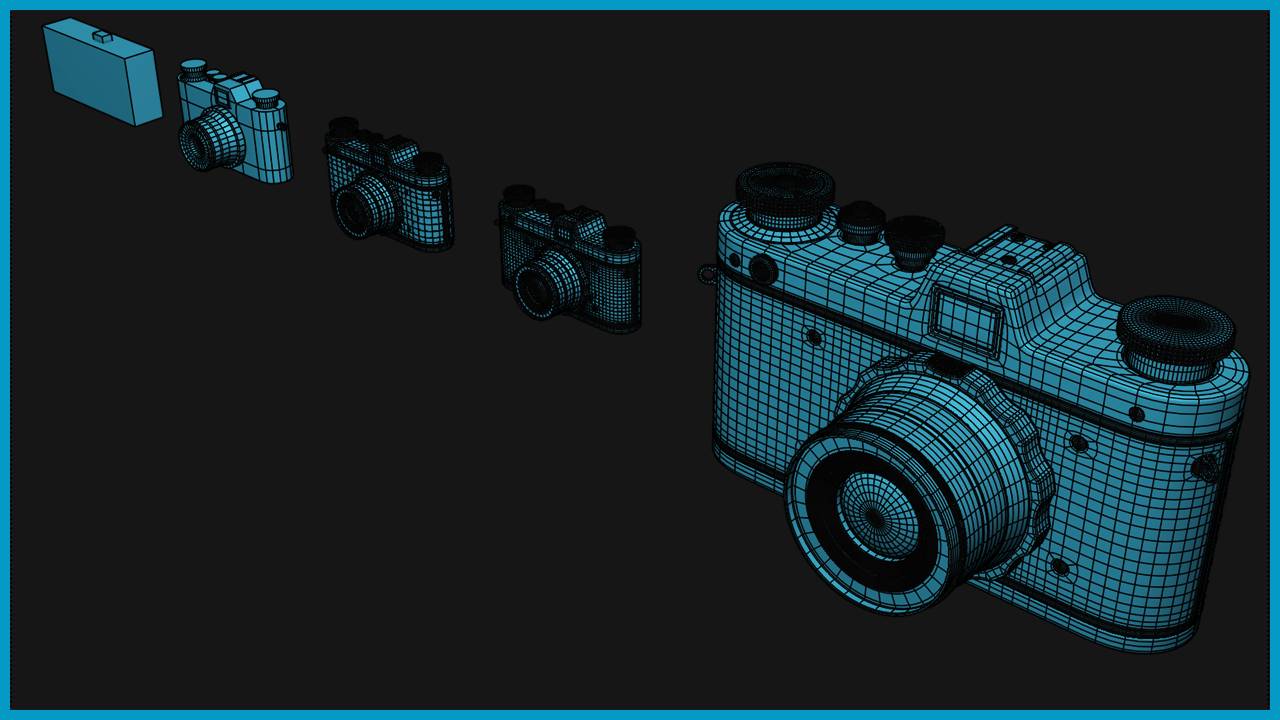
Modeling exercise:
Model a vintage camera through multiple passes.
Module 5: Advanced problem-solving in 3D modeling
- Handling n-gons and tris intentionally
- Solving concave shapes cleanly
- Combining booleans with clean topology
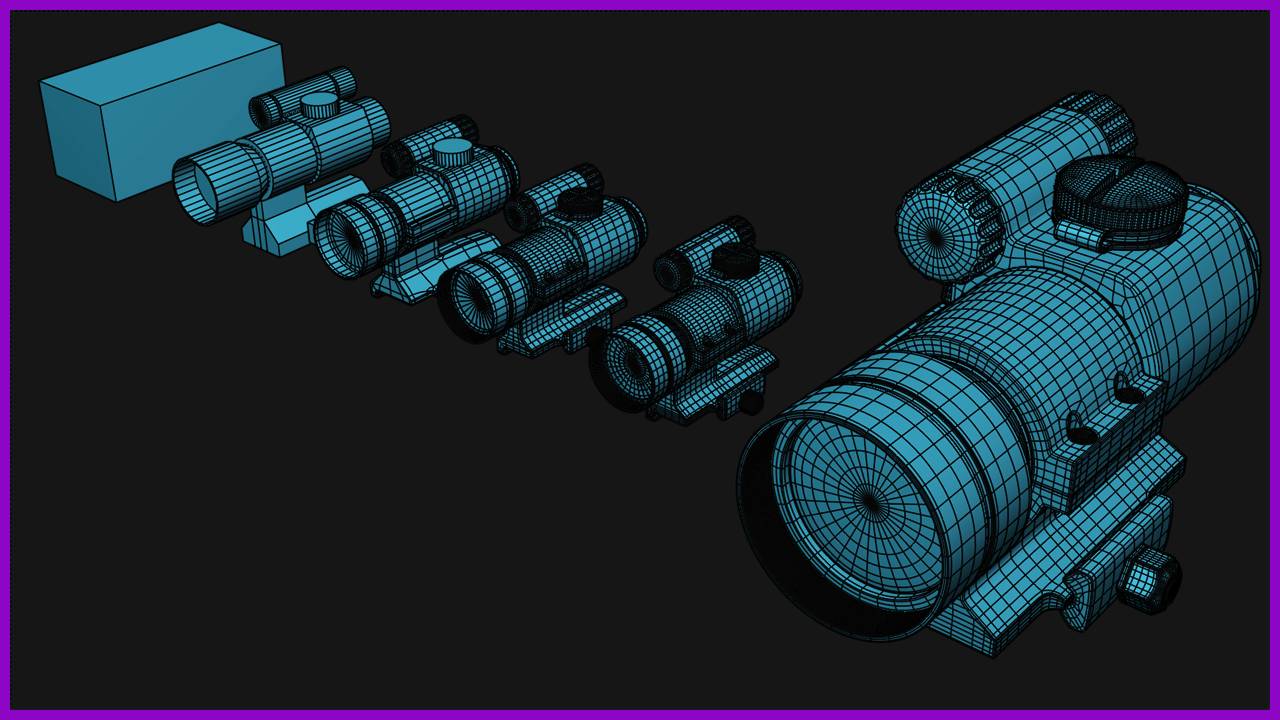
Modeling exercise:
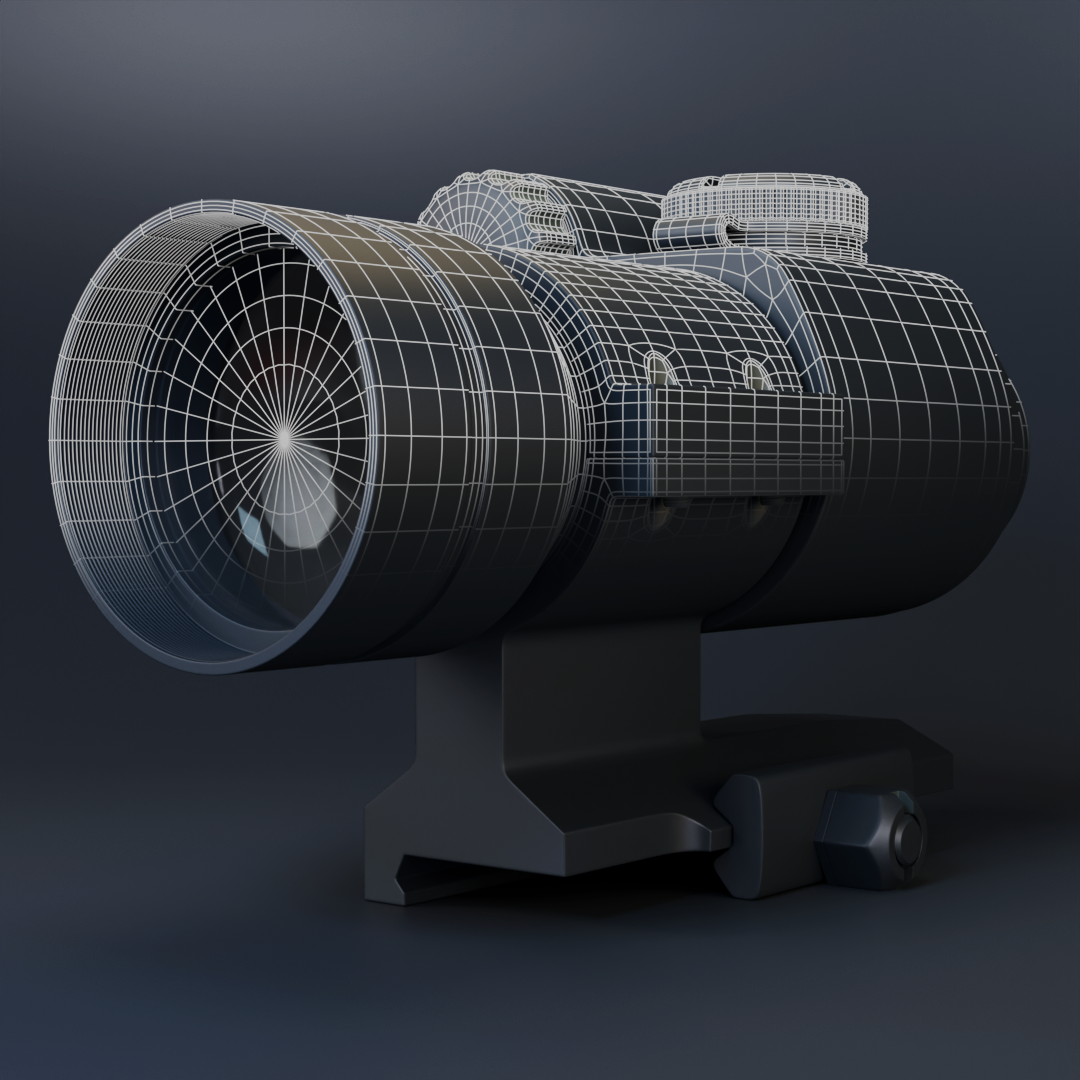
Model a weapon scope that pushes your problem-solving skills.
How this fits into the Game Art Program
This course covers modeling fundamentals and topology.
If you're working toward game-ready assets, take this before the Game Art Program. That's where real-time workflows, baking, texturing and engine presentation come in.
Getting the fundamentals down here makes the Game Art course a lot easier.
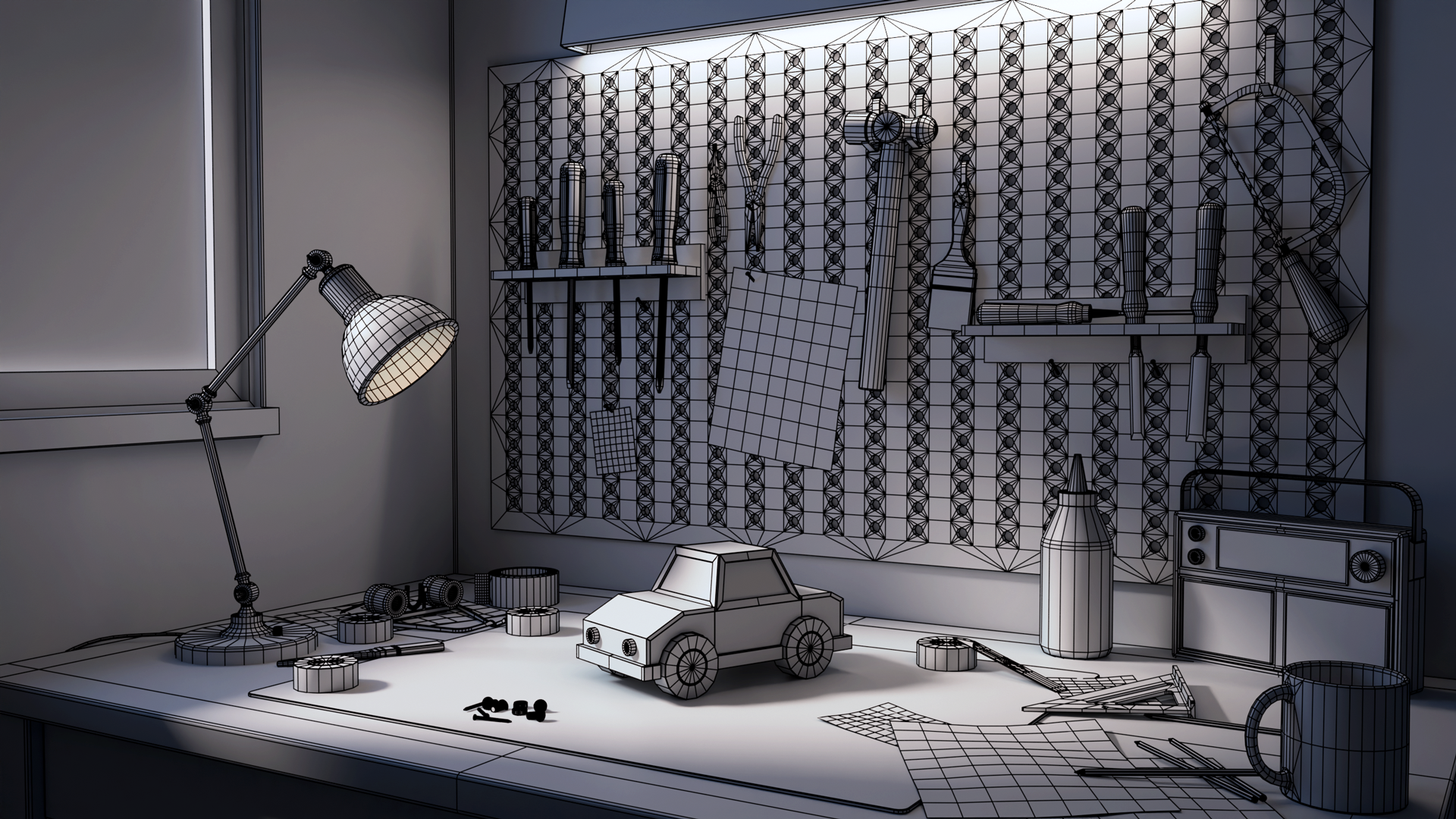
Choose how you want to learn
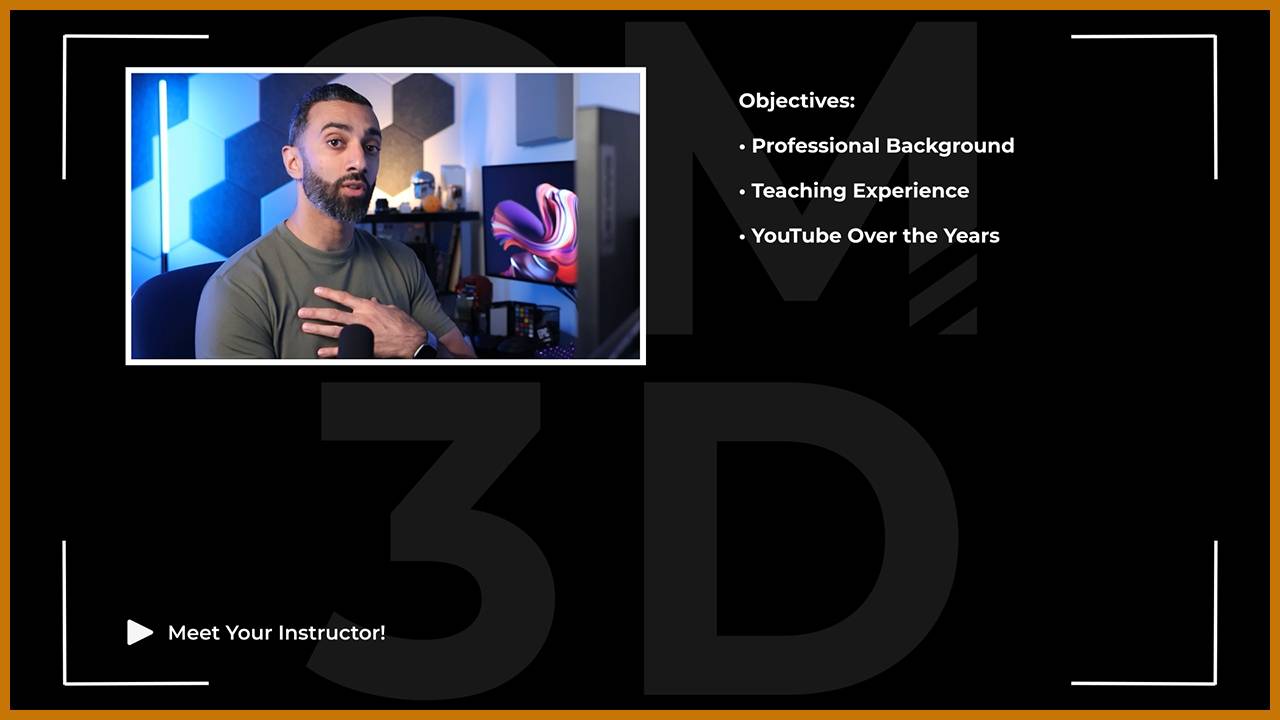
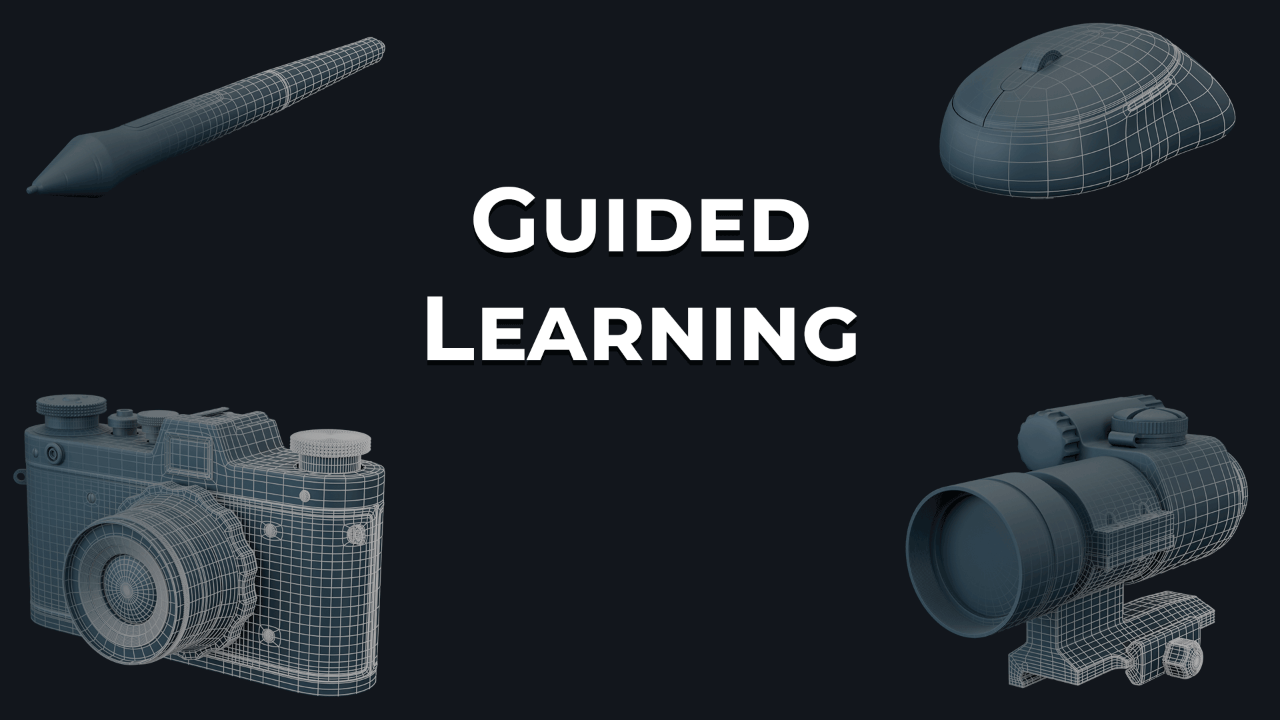
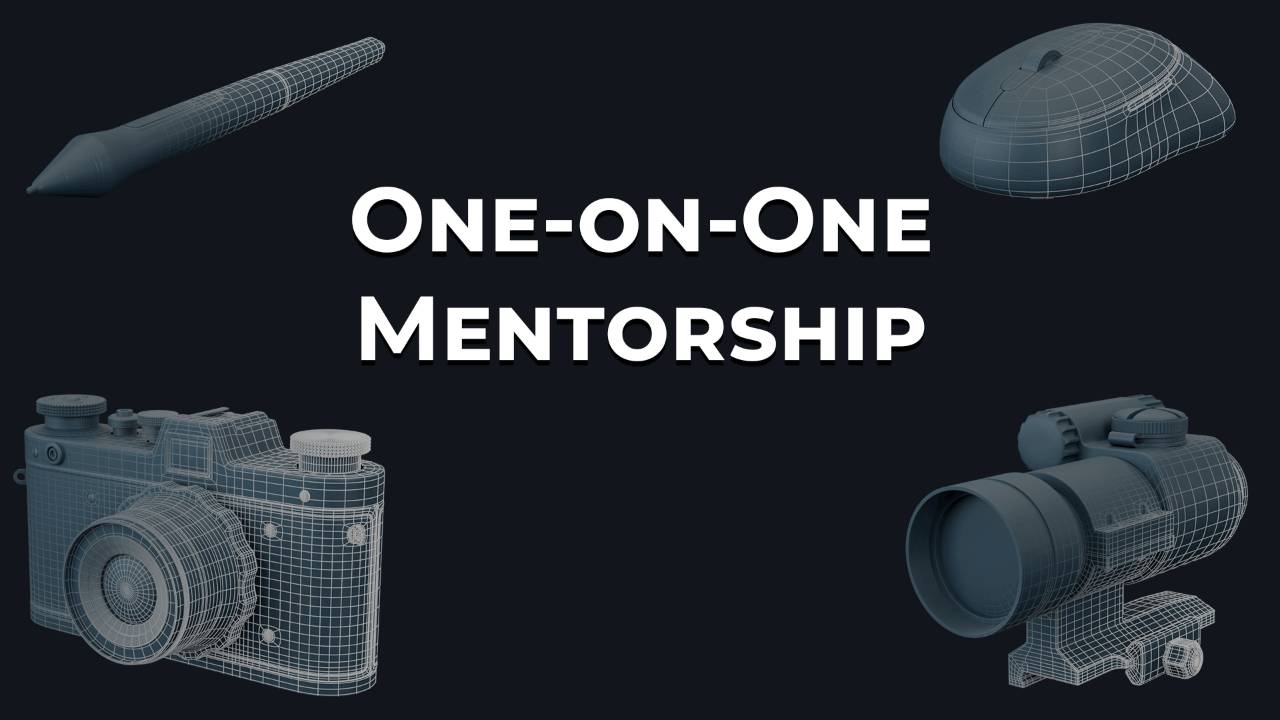
Go through the course at your own pace, or add guided feedback if you want me reviewing your work along the way.

Is this course beginner friendly?
Should I take this before the Game Art course?
What software is used?
Can I pay in installments?
Do you provide project files?
Can I watch on mobile?
Can I download the videos or is this online-only training?
Can you explain the mentorship? Can we discuss more than the course?
Start with modeling fundamentals
Get your topology and edge flow solid before moving into game-ready workflows.
Start the Masterclass